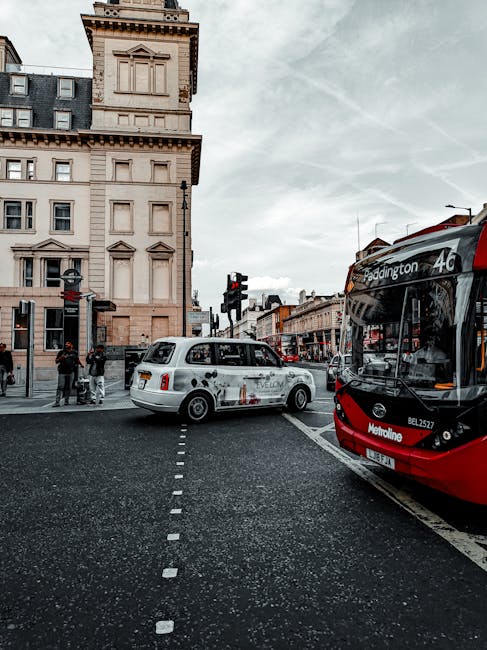
Westminster Council removals permits for Paddington: avoid fines

Moving in Paddington can feel simple on paper, then suddenly the street is full, a van is double-checking timings, and you realise parking is not just "find a space and hope for the best." If you are dealing with Westminster Council removals permits for Paddington: avoid fines, the small details matter. The right permit, the right timing, and the right parking setup can mean the difference between a smooth move and an expensive headache.
Let's face it: nobody wants their moving day interrupted by a penalty charge or a van circling the block while everyone gets more stressed by the minute. This guide explains how removals permits typically work in Westminster, why they matter in Paddington, what mistakes lead to fines, and how to plan a move with less drama. Along the way, you'll also get a practical checklist, a comparison table, and a few calm, real-world tips that make the whole thing less intimidating.
Why Westminster Council removals permits for Paddington: avoid fines Matters
Paddington is one of those London areas where space is tight, road conditions can change quickly, and loading can become awkward even on a calm weekday. A removals van may need clear access to your building, enough room to load safely, and a legal place to stop. That sounds straightforward until a resident bay is occupied, a loading restriction kicks in, or a neighbour has also booked a van for the same morning.
That is why Westminster Council removals permits for Paddington: avoid fines is not just a paperwork topic. It is a practical moving-day issue. If you do not plan parking properly, you may face a penalty, a delay, or a rushed loading process that increases the chance of damage. Truth be told, many moving problems are parking problems wearing a different coat.
There is also the issue of timing. In a busy part of London, even a short overstay can snowball. You might think, "It'll only take ten minutes." Then the lift is slow, the sofa catches on the stairwell, and suddenly the van is still there when it should have gone. A permit helps create breathing room, which is often exactly what you need on move day.
Key point: the goal is not just to "get a permit." It is to make the move legal, predictable, and less stressful, while reducing the risk of fines, complaints, and avoidable delay.
How Westminster Council removals permits for Paddington: avoid fines Works
The exact process can vary depending on the street, the type of vehicle, and whether loading is happening on a restricted road or in a bay. In many cases, a removals permit or parking arrangement allows a van to stop in a place where normal parking rules would otherwise apply. In busy London boroughs, that may involve advance notice, specific time windows, or proof that the vehicle is being used for a genuine house move.
For Paddington residents, the important thing is to treat the permit as part of the move plan, not an afterthought. If your moving company arrives before the parking arrangement is sorted, the pressure rises immediately. Everyone starts improvising. That is when mistakes happen.
Here's the simple version of how it usually works in practice:
- You confirm the moving date and access requirements for the property.
- You check whether the van needs a formal parking suspension, bay permission, or another type of parking arrangement.
- You allow enough time for the permit process, because last-minute requests can be risky.
- You match the van size to the road conditions and loading space available.
- You keep proof or confirmation available on move day, just in case it is needed.
In Paddington, narrow roads, resident-only parking, busy main routes, and delivery activity can all make compliance more complicated. A permit is helpful because it creates clarity. The driver knows where they can stop, your movers know how long they have, and the building concierge or neighbours have fewer reasons to complain. Nice and boring. That is actually ideal.
If you are also planning a temporary storage stop as part of your move, it can help to coordinate timings carefully. Some people use storage to reduce pressure on the moving day itself, and it can make a permit window easier to manage. If that is part of your plan, the useful details on pricing and quotes can help you compare options without guesswork.
Key Benefits and Practical Advantages
There is a clear reason organised movers tend to look calmer. They remove uncertainty where they can. A removals permit is one of those unglamorous things that makes a huge difference behind the scenes.
- Lower risk of fines: A lawful parking arrangement reduces the chance of penalty notices or enforcement action.
- Smoother loading: The van can park closer to the entrance, which shortens carrying distances and protects fragile items.
- Better time control: Less circling for parking means more time spent actually moving.
- Less physical strain: Shorter carries reduce the chance of dropping items or injuring yourself on stairs or kerbs.
- Less disruption to others: A properly planned vehicle stop is usually easier for neighbours, pedestrians, and building managers.
There is also a less obvious benefit: mental space. When the parking is sorted, you can focus on the move itself. That matters more than people think. A move day already has enough noise in it - tape tearing, doors opening and closing, someone asking where the kettle went, the odd thud from the hallway. Reducing one major variable helps everything else settle.
For people moving out of a flat with limited access, or into a street where bays fill quickly, the permit is often the difference between a controlled process and a scramble. It does not make moving magical. But it makes it manageable, which is close enough for most of us.
Who This Is For and When It Makes Sense
Not every move in Paddington will need the same setup. Still, removals permits become especially relevant if any of the following apply:
- You are moving from or to a street with controlled parking.
- Your property has no private driveway or loading area.
- The road is narrow, busy, or heavily used by residents and deliveries.
- You are moving a larger household and need a van to stay longer than a quick drop-off.
- There are access constraints such as stairs, limited lifts, or awkward entry points.
- You are managing the move on a weekday when parking demand is highest.
This is also relevant for landlords, letting agents, and anyone helping a tenant move in or out. If you are organising a block-wide move, the parking pressure can be surprisingly high. One move often overlaps with another, and suddenly two vans are trying to occupy the same space. Not fun.
Another scenario worth mentioning: if you are moving items into temporary storage first, you may still need a proper stopping arrangement even if the final delivery is later. In other words, storage can reduce pressure, but it does not cancel out parking rules. The practical support pages on insurance and safety and health and safety policy are useful if you are thinking about how your belongings are handled before and after the move.
Step-by-Step Guidance
If you want to avoid fines and keep the move moving, the best approach is methodical. Nothing glamorous. Just calm, correct, and early.
- Check your access situation first. Look at the street, the loading bay, the building entrance, and the likely parking options. What looks fine at 9 a.m. can be impossible by lunchtime.
- Confirm the vehicle size. A small van and a large removals lorry are not interchangeable. The vehicle should match the road and the access point, not just the quantity of furniture.
- Work out the timing window. Leave extra space for delays, especially if you are on an upper floor or moving bulky items such as wardrobes, sofas, or white goods.
- Arrange the parking permission early. If a permit or formal parking arrangement is needed, do not leave it to the week of the move. Early planning is safer.
- Tell everyone involved. Movers, friends helping, the building manager, and anyone meeting the van should all know the plan.
- Keep evidence ready. Save any confirmation or instructions in a place you can quickly show on the day if needed.
- Build in a fallback. If access fails or a bay is blocked, have a backup option. A nearby legal stop or a later loading slot can save the day.
Here is a small but useful rule: if something matters to the vehicle stopping safely, treat it like a non-negotiable. No "we'll see on the day." That phrase has caused more moving-day stress than bad weather, and London weather is already doing enough.
You may also want to review site terms and service details before moving day if you are using storage or booking support. The terms and conditions page can help you understand responsibilities more clearly, while contact options are handy if you need to clarify anything directly.
Expert Tips for Better Results
Small adjustments make a surprisingly big difference here. After enough moves, you start noticing the same patterns.
- Book earlier than you think you need to. Paddington is not the place to assume parking will sort itself out.
- Keep the van as close as legally possible. Every extra metre matters when you are carrying boxes up stairs.
- Label items in a way that speeds unloading. Clear labels reduce the time the vehicle needs to remain parked.
- Protect against weather changes. A dry morning can turn damp by lunchtime, and that matters for cardboard, fabrics, and flooring.
- Use storage to reduce pressure. If your move is staggered, a storage stop can make the parking window less frantic.
One practical tip that many people overlook: tell the movers where the heaviest items are before they arrive. That simple detail helps them place the vehicle and plan the unloading order. It sounds obvious after the fact, but on the day, when someone is trying to wedge a mattress through a narrow hall, obvious things are very easy to forget.
If you are choosing a provider, it is also reasonable to check how transparent they are about service and payment handling. The pages on payment and security and about us can help you judge professionalism and customer care before committing.
Common Mistakes to Avoid
Most avoidable fines come from predictable mistakes. The good news is that they are usually easy to prevent once you know what to look for.
- Leaving parking to the last minute. This is the biggest one. The later you leave it, the fewer options you usually have.
- Assuming a normal parking space is automatically acceptable. In London, that assumption can be expensive.
- Booking the wrong size vehicle. A van that is too large for the street may cause access issues or force awkward manoeuvres.
- Forgetting about neighbour access. Blocking a driveway or shared entrance can create complaints and practical delays.
- Not allowing for loading time. A permit window that is too short causes rushing, and rushing causes mistakes.
- Ignoring building rules. Some properties have separate access procedures, lift rules, or moving restrictions.
There is a quiet truth here: most moving fines do not happen because someone was reckless. They happen because someone was busy, distracted, and thought the rules were more flexible than they were. That is human. But it is also exactly why a clear plan matters.
Another common miss is forgetting that disposal and packing waste can also become part of the overall move. If you are tidying up after a move, the recycling and sustainability guidance is worth a look because it encourages a more organised, less wasteful approach.
Tools, Resources and Recommendations
You do not need a complex toolkit to manage a permitted move well. What you need is clarity, good timing, and a way to keep details organised. A pen and paper still work, by the way. Old-school, but brilliant.
- A moving-day checklist: Keeps permit, van, keys, and access details together.
- A calendar reminder: Useful for permit deadlines, van booking, and building access times.
- Phone notes: Handy for parking restrictions, contact numbers, and backup instructions.
- Box labels: Reduce unloading time and help the move stay within the planned window.
- Storage planning: Helpful if you are moving in stages or need to free up space before the main day.
If you need support understanding costs, access conditions, or practical service options, the most useful next step is usually to review pricing and quotes and then ask direct questions through contact us. A quick conversation can prevent hours of confusion later. Simple, really.
For readers who want reassurance about how the business handles customer information and operational details, it can also be useful to read the privacy policy and the accessibility statement. These do not help you park the van, of course, but they do help establish trust.
Law, Compliance, Standards, or Best Practice
Parking and loading rules are not just "nice to follow." They are part of how urban streets function safely and fairly. In Westminster, as in other parts of London, local parking controls, loading restrictions, and permit requirements are designed to manage limited road space, keep traffic moving, and reduce obstruction. Exact rules depend on location and timing, so checking the relevant guidance before the move is essential.
From a best-practice point of view, the aim is simple: do not assume your moving-day need overrides local restrictions. A removals permit, parking suspension, or approved loading arrangement should be in place before the van arrives. If you are unsure, ask early and keep written confirmation where possible.
It is also smart to consider wider safety and duty-of-care expectations. Movers should load safely, avoid obstructing walkways more than necessary, and reduce risks to pedestrians and residents. If you are organising the move yourself, you are effectively the project manager for the day. That sounds grander than it feels, but it is true.
Expert summary: the safest way to avoid fines in Paddington is to treat parking permissions as a core moving task, not a side job. Confirm access early, match the vehicle to the street, and keep a backup plan ready.
If your move involves storing belongings before or after the day itself, it is sensible to review the provider's insurance and safety information so you understand how items are protected in transit and storage.
Options, Methods, or Comparison Table
There are a few ways to handle vehicle access on moving day. The right choice depends on your street, the amount you are moving, and how much control you want over timing.
| Approach | Best for | Pros | Trade-offs |
|---|---|---|---|
| Formal removals permit or parking arrangement | Controlled streets, larger moves, busy Paddington locations | Clearer legality, easier loading, less risk of fines | Needs planning and confirmation in advance |
| Short legal loading stop | Smaller moves with quick access | Simple if timing is predictable | Little margin for delay; not ideal for larger household moves |
| Staggered move with storage | Moves needing flexibility or reduced pressure | Less clutter on the day, easier pacing | Requires extra coordination and usually more planning |
| Ad hoc parking on the day | Very limited situations only | None, really, beyond convenience if space is free | Highest risk of fines, delays, and moving stress |
If you are trying to be efficient rather than heroic, the first two options are usually more sensible. The last option is the sort of thing people choose when they are already running behind and hope luck will fill the gap. It often does not.
Case Study or Real-World Example
Imagine a couple moving out of a second-floor flat near Paddington Station. They have a sofa, a bed, several boxes of books, and a few awkward items that never seem to fit neatly anywhere. The street outside is busy, with resident bays and steady daytime traffic. If they simply arrive with a van and hope to park, the driver may spend time circling while the movers wait with furniture in the hallway. The clock starts ticking immediately.
Instead, they plan early. They check access, choose a van size that suits the road, sort parking permission in advance, and keep their packed items clearly labelled. On move day, the van stops closer to the entrance, loading is quicker, and the whole process feels more controlled. Not painless - moving never is - but controlled.
Now compare that with the same move, but no parking plan at all. The driver stops where they can, then gets moved on, then tries another space, then gets blocked by delivery traffic. The movers are doing extra carrying. The couple is getting tense. Somebody's keys disappear for ten minutes. That tiny lack of preparation becomes a much bigger problem than it needed to be.
That is the real value of planning Westminster Council removals permits for Paddington: avoid fines. It is not about red tape for its own sake. It is about keeping a difficult day from becoming a mess.
Practical Checklist
Use this checklist before moving day. It is simple, but it catches a lot of avoidable issues.
- Confirm your moving date and estimated loading time.
- Check whether the street has parking controls, loading rules, or time restrictions.
- Decide if the van needs a permit, loading permission, or another parking arrangement.
- Match the vehicle size to the street and the property access.
- Let the building manager, concierge, or neighbours know if needed.
- Label boxes and separate essentials from everything else.
- Keep contact details and confirmations easy to access on your phone.
- Prepare a backup plan in case the original bay is unavailable.
- Check whether you are using storage before or after the move.
- Review safety, insurance, and payment details if you are booking a service.
If you want to keep the day calm, do not skip the last two or three items. Those are the ones people call "small" right up until they need them.
Conclusion
Paddington moves can be smooth, but only if the parking side is handled properly. Westminster Council removals permits for Paddington: avoid fines is really about preparation, legality, and common sense. A few careful decisions early on can save you money, time, and a lot of avoidable stress on the day.
The best approach is simple: check the street, confirm the access, plan the vehicle, and sort any permit or parking arrangement before the van arrives. Do that, and the move becomes much easier to control. You will still be busy, obviously, but you will be busy for the right reasons.
Get a free quote today and see how much you can save.
And if the process still feels a bit much, that is normal. Moving in London can be a faff, but with the right plan in place, it is a manageable one.
Frequently Asked Questions
Do I need a removals permit in Paddington?
It depends on the street, parking controls, and where the van needs to stop. In many parts of Paddington, a formal parking arrangement is wise because roadside space is limited and restrictions are common.
What happens if I park without the right permission?
You may face a fine, a delayed move, or enforcement action. Even if the van is only there briefly, local restrictions can still apply, so it is better not to gamble on "just a minute."
How far in advance should I sort the parking plan?
As early as possible. A moving date can arrive quickly, and the closer you get to the day, the fewer options you usually have. Early planning gives you more flexibility and less stress.
Is a small van easier to manage than a large removals lorry?
Often, yes. A smaller van can be easier on narrow streets and may reduce the pressure to secure a very specific parking bay. That said, the right vehicle depends on the amount you are moving.
Can I rely on finding a free space on the day?
You could, but it is risky in Paddington. Free spaces can disappear fast, and what looks available can also be restricted. For a planned move, relying on luck is not a great strategy.
What if I am moving into storage first?
You may still need parking permission for the collection or drop-off phase. Storage can reduce the pressure of the main move, but it does not remove the need to plan access properly.
How do I know whether my move is likely to need special parking arrangements?
If there are parking controls, limited loading areas, narrow streets, or a larger vehicle involved, it is worth assuming special arrangements may be needed until you confirm otherwise.
What should I tell the movers before move day?
Tell them the vehicle size, access details, parking plan, timing window, and any building rules. The more accurate the brief, the less likely the day is to drift off course.
Are fines the only risk if I get parking wrong?
No. You can also face delays, extra carrying distance, property damage, neighbour complaints, and unnecessary stress. The fine is only one part of the headache.
Should I keep proof of the permit or booking?
Yes. Keep it easy to access on your phone and, if possible, have a backup copy. On a busy day, simple proof can save time if anyone asks questions.
What is the most common mistake people make with removals parking?
Leaving it too late. That one mistake tends to trigger all the others: rushed decisions, the wrong vehicle, no backup, and avoidable stress. Earlier planning really does help.
Where can I check service details before booking?
You can review the business pages for useful information such as terms and conditions, privacy policy, and pricing and quotes, then use contact us if you need anything clarified.