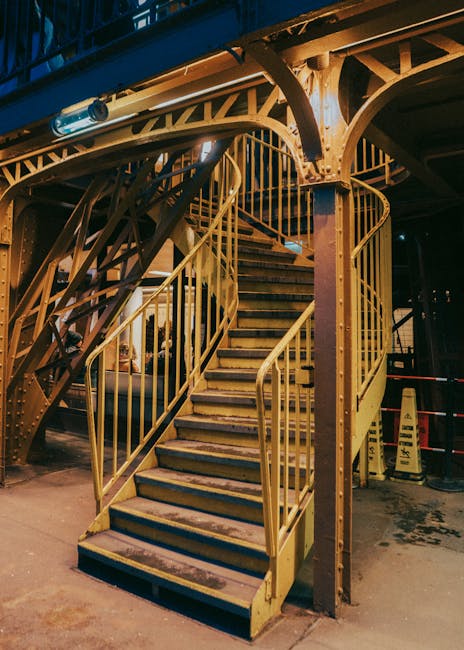
Staircase and narrow-lane moves in Paddington: safe strategies
Moving in Paddington can feel straightforward on a map and awkward in real life. One minute you are a few streets from the station; the next you are dealing with a narrow lane, a tight staircase, a landing that barely turns, and a neighbour who needs the hallway clear by lunchtime. That is exactly why Staircase and narrow-lane moves in Paddington: safe strategies matter. The right approach keeps people safer, protects your furniture, and stops a small move from turning into a stressful one. Truth be told, most problems in these moves are avoidable with a bit of planning and the right sequence.
This guide walks through how these moves work, where the risks sit, what good practice looks like, and how to plan the job properly in a busy London setting. If you are weighing up a move, arranging storage, or just trying to make sense of access limitations, you will find practical answers here.
Expert summary: The safest narrow-access moves in Paddington usually come down to five things: measuring properly, reducing load size, protecting routes, assigning enough people, and moving at the right time of day. Simple, yes. Easy to skip, also yes.
Table of Contents
- Why Staircase and narrow-lane moves in Paddington: safe strategies Matters
- How Staircase and narrow-lane moves in Paddington: safe strategies Works
- Key Benefits and Practical Advantages
- Who This Is For and When It Makes Sense
- Step-by-Step Guidance
- Expert Tips for Better Results
- Common Mistakes to Avoid
- Tools, Resources and Recommendations
- Law, Compliance, Standards, or Best Practice
- Options, Methods, or Comparison Table
- Case Study or Real-World Example
- Practical Checklist
- Conclusion
- Frequently Asked Questions
Why Staircase and narrow-lane moves in Paddington: safe strategies Matters
Paddington has a mix of mansion blocks, period conversions, mews-style access, busy roads, and small side lanes where parking or loading can be awkward. That mix matters because moving conditions change the risk profile. A sofa that is easy to carry down a wide modern corridor can become a hazard on a steep staircase with a turn halfway down. A narrow lane can add another layer: limited stopping space, pedestrian traffic, and awkward positioning for the vehicle.
Safe strategy is not just about avoiding damage. It is about keeping the move controlled. When a route is tight, every person lifting has to react to the person in front, the angle of the staircase, the weight of the item, and the available space to rest. That is where strain injuries, bumped walls, damaged banisters, and rushed decisions tend to happen. We have all seen the kind of move where somebody says, "It'll be fine, just one more push," and then the corner catches the railing. Not ideal.
For households, landlords, students, and small businesses moving within or into Paddington, the practical challenge is often the same: how do you reduce risk without overcomplicating the whole day? Safe planning gives you a more predictable move, less physical strain, and fewer last-minute problems. If you are using clear pricing and quote information to compare options, access should be part of that decision, not an afterthought.
There is also a trust angle. A move handled carefully feels organised. People arrive on time, know the route, and do not improvise with heavy items in a cramped stairwell. That calm, methodical approach is especially valuable in London, where a small delay can snowball quickly.
How Staircase and narrow-lane moves in Paddington: safe strategies Works
The process is really about reducing uncertainty before the first box is lifted. In a narrow-lane or staircase move, the job usually starts with a route assessment. That means checking the outside approach, the available loading area, the width of doorways, the shape of the stairs, and any turning points. If the property has more than one staircase or a shared entrance, those details matter too.
Next comes load planning. Not every item should be carried in one piece. A wardrobe, bed frame, desk, or tall shelving unit may need to be dismantled. Boxes need to be packed to a sensible weight, not just filled to the top because the tape is nearby. You want balance. A box that looks neat but weighs like a sack of bricks is a classic troublemaker on stairs.
Then there is the movement sequence. In tight spaces, the order matters: lighter items first, awkward items next, bulkier furniture last, or sometimes the reverse depending on the building. The point is to avoid congestion. One person should usually lead the movement through the stairwell, while another guides from behind and watches corners, door frames, and hand clearance.
For narrow lanes, timing is a big deal. A narrow road with morning traffic, delivery vans, and bin collections can make loading much harder than necessary. Early or off-peak access often helps, though the exact best time depends on the street and the building. You cannot always control the lane, but you can control how prepared you are when you arrive.
Good moves also use protective materials properly: furniture blankets, corner guards, stair protection where suitable, and floor coverings in shared hallways. These are not decorative extras. They are what prevent a tidy move from becoming a repair bill.
Key Benefits and Practical Advantages
Safe planning for tight-access moves gives you more than just peace of mind. It changes the whole rhythm of the day.
- Lower risk of damage: Furniture, walls, railings, and flooring are less likely to be scuffed or knocked.
- Lower physical strain: Better load handling and clearer routes reduce the risk of back and shoulder injuries.
- Faster decision-making: When access is mapped out, there is less stopping, reshuffling, and arguing over what fits where.
- Better neighbour relations: Less blockage in shared hallways and narrow lanes means fewer complaints and fewer awkward conversations.
- More accurate planning: A move with access constraints is much easier to schedule when you know exactly what is involved.
There is also a less obvious benefit: you can identify when storage, partial moves, or staged moving are sensible. If a property is difficult to access, putting a few items into short-term storage can make the main move safer and less rushed. For that, it helps to review the provider's insurance and safety guidance so you know how items are protected during the wider moving process.
In our experience, the best outcome is not always the fastest one. It is the one where the last box arrives without anyone muttering under their breath or scraping a knuckle on a bannister. Small win, but still a win.
Who This Is For and When It Makes Sense
This approach is useful for a wide range of people. If your move involves stairs, tight turns, basement access, rear mews entry, or a lane where parking is limited, this is for you. It also makes sense if you are moving bulky items like wardrobes, sofas, appliances, office chairs, archive boxes, or fragile stock.
Typical situations include:
- tenants moving into or out of a conversion flat with a narrow staircase
- families relocating from a period property with awkward internal access
- students moving items in and out of shared accommodation
- small businesses shifting stock or equipment from a rear-access unit
- homeowners using temporary storage between move-out and move-in dates
It also matters when access is uncertain. Maybe the lane is shared. Maybe the parking permit situation is unclear. Maybe the property has an old stairwell with a tight turn on the first floor. These are the moments when proper planning really earns its keep.
If you need a little more background on the company behind the local service, the about us page gives useful context. And if you need to speak to someone directly because your access situation is unusual, the contact page is the sensible next step.
Step-by-Step Guidance
Here is a practical way to handle a staircase or narrow-lane move without turning it into a scramble.
- Survey the route in advance. Check stair width, landing turns, doorway clearance, outside access, and any low ceilings or narrow hallways.
- Measure the awkward items. Do not guess. Measure the height, width, and depth of anything bulky, and compare it to the route.
- Decide what should be dismantled. A bed frame, table legs, shelving, or modular furniture often moves more safely in smaller parts.
- Reduce box weight. Keep heavy items in smaller cartons so no one is trying to carry a box that slips or crushes from below.
- Protect the route. Use covers for floors and walls where needed, especially in shared entrances or old staircases.
- Assign roles. One person leads, one supports, one guides if the item is long or unusually heavy. Too many hands can actually make things worse.
- Plan the loading order. Put items in the vehicle so the first things out are easiest to reach and the route stays efficient.
- Allow margin for delay. Narrow lanes can be unpredictable. Leave some breathing room in the schedule.
- Do a final check before lifting. Shoes, gloves, straps, blankets, ramps, and door propping all sound basic, but forgotten basics cause problems.
A small but important detail: if you have to pause on a staircase, pause on a landing or a secure flat point, not halfway through a turn if you can help it. That little habit can make a job feel much more controlled.
Expert Tips for Better Results
There are a few habits that make narrow-access moves noticeably smoother. They are not flashy. They just work.
1) Treat measurements as decision-making tools, not admin
If a sofa measures close to the width of a stairwell turn, that is not a minor detail. It is a signal to dismantle, re-angle, or send the item through another route. Same with a narrow lane: if the vehicle can barely position safely, the loading plan needs adjusting before arrival.
2) Put the awkward item first in your thinking
Most people start with boxes. Fair enough. But the biggest, heaviest, or most awkward item should shape the whole plan. Once you know how the difficult piece moves, everything else tends to fall into place.
3) Use smaller loads than you think you need
People almost always overpack boxes. It is one of those human habits. Then they end up carrying something that feels fine for ten seconds and brutal for the next ten stairs. Smaller loads usually save time overall because fewer pauses are needed.
4) Protect the point of contact
Most damage happens where an item touches a corner, a handrail, or a door frame. Extra padding at contact points is a small effort with an outsized payoff.
5) Keep voices clear and simple
In a tight stairwell, complicated instructions are a bad joke. Use short commands: stop, lift, turn, hold, clear. Calm, direct communication beats shouting across a landing every time.
Also, a little patience goes a long way. The move does not need to be heroic. It just needs to be steady.
Common Mistakes to Avoid
Most errors in staircase and narrow-lane moves come from underestimating access. The property looks manageable on paper, then reality shows up.
- Skipping a site check: This is the classic one. A move can look fine until the sofa reaches the first landing.
- Assuming the vehicle can stop anywhere: Narrow lanes often need precise timing and positioning, not casual parking.
- Overloading boxes: Heavy boxes make stairs riskier and slower.
- Forgetting about turning space: A straight measurement is not enough if the item has to pivot around a corner.
- Not protecting shared areas: Hallways, stair treads, and entrances can be damaged surprisingly quickly.
- Using too few people: One person trying to control a large item on a tight staircase is asking for trouble.
- Rushing at the end: Many accidents happen when people think the job is nearly done and stop paying attention.
There is also a planning mistake that shows up a lot: not thinking about what happens if an item will not fit. You need an alternative. Maybe it is dismantling. Maybe it is temporary storage. Maybe it is a smaller vehicle or an additional lift point. Having a plan B avoids a lot of stress, honestly.
Tools, Resources and Recommendations
You do not need a warehouse full of specialist gear, but a few practical tools make a big difference.
| Tool or resource | What it helps with | Best use case |
|---|---|---|
| Furniture blankets | Protects surfaces from knocks and scrapes | Large items, banisters, door frames |
| Stretch wrap | Secures drawers, loose parts, and coverings | Cabinets, shelves, mixed furniture |
| Corner protectors | Reduces damage at sharp edges | Long items in tight turns |
| Gloves with grip | Improves handling and control | Carrying boxes and awkward items |
| Tape measure | Confirms route clearance | Stairs, doors, vehicle access |
| Dismantling kit | Allows furniture to be split safely | Flat-pack, beds, tables, shelving |
| Short-term storage | Creates breathing room when access is limited | Staged moves, delayed handover, bulky overflow |
For storage-related planning, it is worth checking the health and safety policy as well as the terms and conditions so you know the boundaries and expectations before you move anything in.
If you want to understand the booking and payment side of things, payment and security information can help you plan calmly rather than sorting it out in a rush on move day.
Law, Compliance, Standards, or Best Practice
For a move like this, the main compliance concern is practical safety and duty of care. In the UK, moving activity should be carried out with attention to safe lifting, clear access routes, sensible risk reduction, and consideration for anyone sharing the building or lane. That does not mean every move needs a formal document stack a mile high. It does mean the work should be organised properly, especially where lifting, carrying, and public access are involved.
For a business or service provider, good practice usually includes risk awareness, staff training, suitable equipment, and clear communication about limitations. For a household move, the same ideas still apply in simpler form: do not lift what should be dismantled, do not block shared exits, and do not force items through spaces they were never meant to fit through.
If you are using storage as part of a staged move, sensible standards also include proper item handling, clean and dry packing, and honest communication about what needs special care. Where you need reassurance on how items are handled, the insurance and safety page is a good place to review the basics.
There is a fair bit of judgement involved here. That is normal. The right level of care depends on the building, the items, and the route. If anything feels borderline, it is better to slow down and make a different plan than to gamble with a narrow stairwell.
Options, Methods, or Comparison Table
Different access challenges call for different approaches. Here is a simple comparison that helps with decision-making.
| Method | Best for | Pros | Trade-offs |
|---|---|---|---|
| Direct carry via staircase | Light to medium items with enough stair clearance | Quick, simple, low setup | Higher strain if the route is tight or steep |
| Partial dismantling | Bulky furniture and awkward angles | Makes items easier to turn and lift | Requires tools and time |
| Staged move with storage | Homes or businesses with limited access or delayed handover | Reduces pressure on move day | Needs extra planning and coordination |
| Smaller vehicle or multiple runs | Narrow lanes with limited stopping space | Improves positioning and control | Can take longer overall |
| Professional handling support | Heavier or more complex items | More control and lower risk | May cost more upfront |
The best option is not always the cheapest on the day. If a method reduces the chance of damage or delay, it may save money in the end. That is especially true if you are moving furniture or stock you actually need to keep in one piece, which is usually the whole point.
Case Study or Real-World Example
A typical Paddington scenario goes like this. A couple moves out of a third-floor flat in a converted building near a narrow mews. The staircase is steep, the first landing turns sharply, and the front street is busy in the morning. On paper, it looks manageable. In person, it is a bit fiddly.
They start by measuring the sofa, bed frame, and wardrobe doors. The wardrobe will not take the turn in one piece, so it is dismantled the night before. Boxes are repacked so none of them is too heavy. The vehicle arrives early enough to avoid the worst of the road activity, and the loading team protects the hallway and stair edges before anything moves.
One item still causes a pause: a tall bookshelf with fixed sides. Instead of forcing it, they remove the shelves and carry the frame separately. That small change saves the wall paint, saves a shoulder twinge, and saves the mood of the morning. The job is not exciting, but it is smooth. And on move day, smooth is the dream.
They also keep a few overflow items in storage for a week rather than trying to squeeze everything through the narrow stairwell at once. That staggered approach makes the move feel much more humane, to be fair. Nobody enjoys carrying a lamp, a coat rack, and a box of books down stairs while someone else is waiting behind them with a kettle.
Practical Checklist
Use this checklist before the move starts.
- Measure the widest and tightest points on the route
- Check whether furniture needs dismantling
- Pack boxes to a sensible weight
- Protect stair edges, walls, and flooring
- Confirm vehicle access and loading space
- Plan the order of items to be moved
- Assign roles so everyone knows who leads and who guides
- Prepare gloves, tape, blankets, and basic tools
- Set aside a plan for items that may not fit
- Review storage, safety, and access terms if you are using temporary storage
- Keep hallways and exits clear
- Leave more time than you think you need
Practical reminder: if a move feels rushed before the first box leaves the flat, it usually needs more planning, not more pushing.
Conclusion
Staircase and narrow-lane moves in Paddington demand a calm, measured approach. When access is tight, the safest strategy is rarely the most dramatic one. It is usually the one built on proper measurement, sensible packing, route protection, and realistic timing. That is what keeps the move safe, efficient, and far less stressful than it could be.
If you are planning a move with tricky access, the smartest next step is to get the details clear early. A few accurate measurements and a straightforward conversation can save hours later. And if storage is part of the plan, it helps to check the support information, compare options, and make the move fit the building rather than fighting it. Simple enough, really.
Get a free quote today and see how much you can save.
Good planning makes hard moves feel lighter, and that is a relief you will notice the moment the first awkward corner goes smoothly.
Frequently Asked Questions
What is the safest way to handle a move with a narrow staircase in Paddington?
The safest approach is to measure the staircase and the furniture first, dismantle anything awkward, use protective covers, and assign clear roles to the people carrying. A slow, controlled lift is better than forcing a large item through a tight turn.
Do I need to dismantle furniture for narrow-lane moves?
Not always, but it is often the best option for wardrobes, bed frames, shelving, and long tables. If the item is close to the width of the route, dismantling usually saves time and reduces the risk of damage.
How do I know if a box is too heavy for stairs?
If you cannot carry it steadily with one hand free for balance, it is probably too heavy. Smaller boxes are safer on stairs because they are easier to control and less tiring over repeated trips.
What if the moving vehicle cannot stop close to the property?
That is common in narrow lanes. The solution is usually to plan a smaller vehicle, time the arrival carefully, or create a staging point. The key is to avoid making the team carry items too far or block the lane.
Is it worth using storage during a difficult move?
Yes, often it is. Storage can reduce pressure when access is tight, especially if the new property is not ready or if only part of the home is difficult to move in one go. It can turn a chaotic day into a staged one.
What protective materials help most on stairs?
Furniture blankets, corner protectors, stretch wrap, and floor coverings are usually the most useful. They reduce the risk of scratches, scuffs, and knocks on shared surfaces.
How early should I plan a staircase or narrow-lane move?
Ideally as soon as you know the property layout. Even a short planning window helps. If access is awkward, the earlier you review measurements, parking, and dismantling needs, the easier the move becomes.
Are there safety rules I should follow for moving items?
Yes. The practical standard is to use sensible lifting methods, avoid overloading boxes, keep walkways clear, and not force items through spaces that are too tight. If a situation feels unsafe, pause and change the plan.
What should I do if an item will not fit through the staircase?
Do not force it. Try dismantling the item, changing the carrying angle, or moving it through another route if one exists. If neither works, storage or an alternative transport plan may be the better answer.
Can narrow-lane moves still be completed quickly?
Yes, but speed comes from preparation, not rushing. If the route is measured, items are packed properly, and the team knows the sequence, the move can still be efficient even with tight access.
How do I avoid damaging shared hallways or walls?
Protect the route before moving begins, use enough people to guide large items, and keep communication clear. It also helps to move slowly around turns rather than swinging items through the space.
Who should I contact if I need more help planning my move?
If your move involves difficult access or you are unsure about storage or safety arrangements, use the site's contact page to discuss the situation and get practical guidance before moving day.