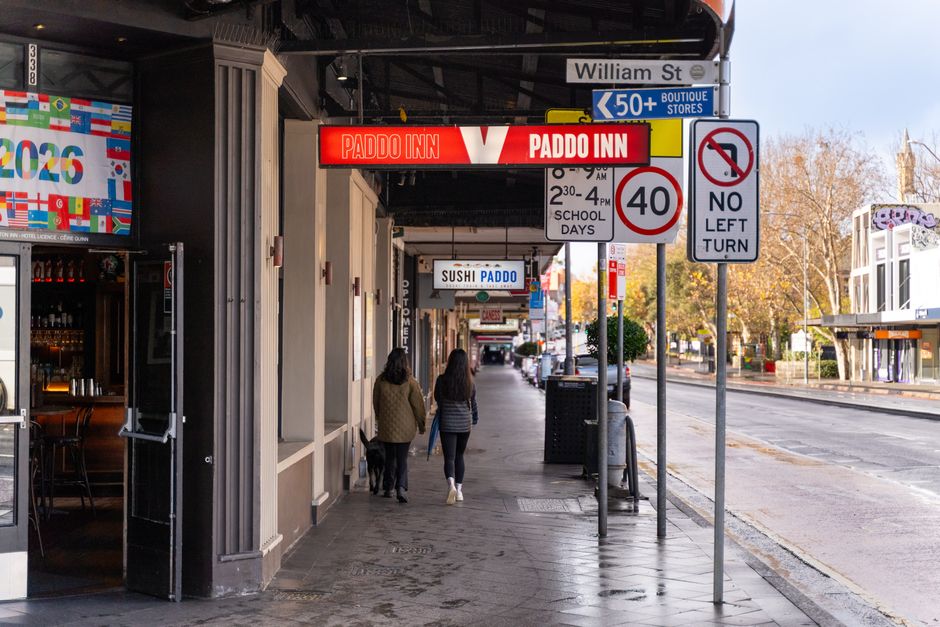
Praed Street loading tips for Paddington removals teams

If you are organising a move around Paddington, the loading stage can make or break the day. Praed Street loading tips for Paddington removals teams matter because this is a busy, tight, stop-start kind of area where a few minutes lost to poor positioning or awkward packing can ripple through the whole job. In plain English: if the van is not set up properly, everything takes longer, gets heavier, and becomes a bit more stressful than it needs to be.
This guide is written for removals teams, move coordinators, and anyone helping with a local Paddington move who wants a smoother load on or near Praed Street. We will look at access planning, sequence, packing discipline, safety, communication, and the little field-tested habits that keep a crew moving without chaos. There is no magic trick here. Just solid practice, done well.
One quick note before we start: if you are building a wider move plan, it can help to pair loading know-how with the right service support such as removals, man and van, or packing services. The best loads usually begin long before the van doors open.
- Why Praed Street loading tips matter
- How the loading process works
- Key benefits and practical advantages
- Who this is for and when it makes sense
- Step-by-step guidance
- Expert tips for better results
- Common mistakes to avoid
- Tools, resources and recommendations
- Law, compliance, standards, or best practice
- Options, methods, or comparison table
- Case study or real-world example
- Practical checklist
- Conclusion
- Frequently asked questions
Why Praed Street loading tips for Paddington removals teams Matters
Praed Street sits in a part of London where space is at a premium and timing matters. Vehicles, pedestrians, taxis, cyclists, delivery drivers, hotel traffic, and general city bustle all tend to arrive at once, which means loading has to be disciplined. If a removals team treats it like a quiet suburban cul-de-sac, they will feel the difference very quickly.
Good loading practice reduces wasted steps. It also reduces the chance of damage to furniture, walls, lifts, and the van itself. Just as importantly, it helps keep the team calm. That calm matters more than people think. A rushed crew often lifts badly, stacks badly, and communicates badly. Then the day gets messy. Nobody wants that at 8:15 on a damp London morning with a sofa halfway through the doorway.
For local moves, the loading phase often determines whether the job runs on time or turns into an awkward chain of delays. If your team knows how to sequence items, check access, protect fragile pieces, and move quickly without cutting corners, you save energy for the parts of the day that really need it. That is especially relevant when using local removals support, where tight timings and short urban hops are part of the reality.
Expert takeaway: in busy Paddington streets, efficient loading is not just about speed. It is about order, visibility, and keeping the team one step ahead of the environment.
How Praed Street loading tips for Paddington removals teams Works
The basic idea is simple: make the van load predictable before the first box is lifted. A well-run load starts with a plan for where the vehicle will stop, which items go in first, how heavy items are balanced, and which pieces need extra care. That sounds obvious, but in practice a lot of crews still wing it. And to be fair, the street will punish that approach pretty quickly.
Think of loading in five linked stages. First, confirm access and parking logistics. Second, stage the items in the property or at the kerb in a clear order. Third, load the heaviest and strongest items to create a stable base. Fourth, fill gaps with medium boxes and softer items. Fifth, secure everything so it does not shift in transit. Each step affects the next one. Skip a stage and the whole stack becomes less reliable.
On Praed Street, that means you may need to work with narrow loading windows, limited stopping space, and the possibility that one van position simply is not practical. A strong removals team will adapt rather than force a bad setup. Sometimes that means splitting the load. Sometimes it means using a second vehicle. Sometimes it means moving smaller items first so the bigger items can come out without blocking the route. A little flexibility saves a lot of backtracking.
If the move involves items going into storage, it is worth planning the load around destination as well as departure. For example, seasonal stock, spare furniture, or overflow office items may be better handled via secure storage or short-term storage rather than all going directly into the new property. That can simplify the van pack more than people expect.
Key Benefits and Practical Advantages
Done properly, smart loading gives you more than a tidy van. It helps the whole move feel controlled, and control is valuable on busy London streets. The main benefits are practical, not theoretical.
- Less damage: items are stacked in a way that protects corners, handles, glass, and finishes.
- Better speed: the team spends less time rearranging the load or re-carrying items.
- Safer lifting: the right items are moved by the right people using the right method.
- Cleaner unpacking: labels and load order make it easier to unload in the right sequence.
- Fewer disputes: clear handling and visible care reduce the chance of confusion about damage or missing pieces.
There is also a commercial advantage that gets overlooked. When a crew loads neatly and explains their process clearly, customers trust them more. That trust matters in removals. People are handing over their home contents, office files, or expensive furniture and hoping everything arrives intact. A tidy, methodical loading process says, without needing to say it, "we know what we are doing."
For offices, the advantage is even sharper. A structured load makes it easier to separate desks, IT equipment, archive boxes, and personal items. If the job includes office removals or office storage, careful loading can save a lot of sorting at the other end. Less admin. Less chaos. Fewer missing cables, which, let's face it, are the sock drawer of the moving world.
Who This Is For and When It Makes Sense
These loading tips are useful for more than one type of move. If you work in removals, you will recognise the patterns immediately. If you are a homeowner or tenant overseeing the move, the same ideas can still help you brief the crew better and spot problems before they become expensive ones.
This is especially relevant for:
- Paddington removals teams handling short-notice urban moves
- drivers managing tight kerbside access and stop-start loading
- families moving from flats, maisonettes, or shared homes
- students moving in or out with mixed box and bag loads
- small businesses relocating desks, stock, and documents
- customers needing temporary holding space before a final delivery
It also makes sense if you are dealing with a smaller move that still needs proper handling. Smaller jobs can be deceptively tricky because people assume they are simple, then pile everything into the van in one go. That is usually where the trouble starts. For compact jobs, a service like small removals can pair nicely with a disciplined loading plan.
If you are moving a flat, planning the load becomes even more important because stairwells, lifts, and shared entrances can all slow the flow. In those situations, flat removals planning and the loading sequence should be treated as one process, not two separate tasks.
Step-by-Step Guidance
Here is a practical loading sequence that works well in busy London conditions. It is not fancy. It just works.
- Walk the route first. Check the distance from property to van, any steps, uneven paving, lift delays, and whether the van door can open fully without blocking pedestrians.
- Assign roles. One person should guide the load, one should carry, and one should monitor stacking and protection. Even a three-person team benefits from this split.
- Load the base items first. Heavy, solid furniture goes in before light or fragile items. Wardrobes, sofas, mattress bases, and appliances usually create the best foundation.
- Keep weight balanced side to side. A load that leans heavily on one wall of the van can shift in transit. Spread the mass evenly.
- Fill voids deliberately. Use boxes, cushions, soft furnishings, and wrapped items to stop movement. Loose gaps are the enemy.
- Protect vulnerable surfaces. Use blankets, corner guards, and wrap where needed, especially on polished wood, glass, and painted finishes.
- Load priority items last. Items needed first at delivery should go near the door or be clearly separated for quick access.
- Secure before departure. Give the load one last check. If something can slide, it probably will.
For domestic moves, pairing this method with house removals support often makes the process feel much more orderly. For mixed household contents, the load can be built around room groups, which helps on the unload too. It sounds small, but it really saves time later.
If packing is not fully under control before the team arrives, consider using professional packing support in advance. A well-packed box is quicker to load, safer to stack, and less likely to buckle mid-journey. That is why some crews strongly prefer clients to use packing services before moving day. Less guesswork. Fewer improvised miracles.
Expert Tips for Better Results
Here is where the practical edge comes in. Most teams know the basics. The difference is usually in the small habits.
Pre-label by destination room and priority. Labels are useful, but room labels alone are not always enough. Add a simple priority marker such as "first out" or "last out" where needed. On a busy job, that tiny extra note helps.
Keep one lane clear. If the van is being loaded from a doorway or lift, make sure there is a clean path for movement. Accidental bottlenecks cause more dropped items than people admit.
Load by shape, not just weight. A light but awkward item can be harder to position than a heavy one. Think about corners, handles, uneven edges, and anything that can snag.
Use the van like a puzzle, not a bin. Sounds obvious, but it bears repeating. The load should fit together. If you have to force every piece, the arrangement is probably wrong.
Pause after the first third. A quick check after the initial load often reveals whether the layout is working. That pause can prevent an hour of later frustration. It is the sort of thing experienced crews do almost automatically.
Plan for storage handover if needed. If the move is not direct-to-destination, decide which items must remain accessible while in storage. A mix of furniture storage, household storage, or student storage can change the loading order quite a bit.
And one more, from the slightly unglamorous side of removals: keep a small kit in reach. Tape, cutter, straps, marker pen, cloth, and a couple of spare covers. When you need one, you really need it. The van always seems to know when you have misplaced the tape.
Common Mistakes to Avoid
Most loading problems are preventable. That is the frustrating part, really. The same errors show up again and again because teams get hurried or assume the job is simpler than it is.
- Loading without a sequence: random loading creates unstable stacks and wasted movement.
- Ignoring access constraints: if you have not checked the route, you can get stuck with a heavy item at the wrong moment.
- Overfilling the van too early: once the base is wrong, everything else becomes harder.
- Mixing fragile and dense items carelessly: boxes of books and framed art should not be treated the same way.
- Letting loose items drift: things like lamp bases, small boxes, and loose hardware can move around in transit.
- Not communicating turns and lifts: one person should call the shots during tricky carries, otherwise people step into each other's path.
Another common issue is poor time planning. A team may know how to load well but still fail because they did not allow enough time for the street, the parking, or the building access. Paddington can be full of little delays that do not seem like much on their own. Together, they matter.
Truth be told, a lot of loading mistakes are really planning mistakes in disguise.
Tools, Resources and Recommendations
You do not need specialist kit for every job, but the right basics make a big difference. A solid removals kit should include:
- moving blankets and furniture covers
- ratchet straps or load restraints
- tape and a marker pen
- trolleys or sack trucks for heavier items
- gloves with a decent grip
- corner protectors and wrapping materials
- protective floor coverings where access is tight
For larger or mixed moves, you may also want to combine loading with wider removals support such as removals and storage or self storage, especially if completion dates, key handovers, or refurbishment work create a gap between move-out and move-in.
Teams handling business content should think slightly differently. Office files, IT equipment, signage, and specialist furniture often benefit from separated packing and loading streams. In that setting, business storage and document storage can help keep important items organised if the relocation is phased.
If the job is very light and agile, a smaller vehicle plan may be enough. If there are several bulky pieces, it may be worth using a more complete moving setup. The right recommendation depends on access, volume, and fragility, not just the postcode.
Law, Compliance, Standards, or Best Practice
For removals teams in the UK, the key point is simple: loading should be done safely, with proper care for people, property, and the vehicle. That includes sensible manual handling, securing loads correctly, and being aware of the limits of the access point or roadway. You do not need to quote legislation to work responsibly, but you do need to behave like the load could shift, because it can.
Good practice usually includes:
- using safe lifting techniques and team lifting for awkward items
- keeping the load stable so it does not move during transport
- protecting entryways, walls, and floors during movement
- checking insurance and liability arrangements before the move
- making sure the crew understands site-specific hazards
It is also sensible to be clear about what the service does and does not include. That is where written terms and service details matter. Customers should know the moving plan, the storage options if required, and the payment process. If you want to review operational and customer-facing details, pages like insurance and safety, payment and security, and terms and conditions are the kind of pages that support trust rather than just marketing copy.
For teams handling recyclable packing waste or surplus materials, a sensible disposal plan also matters. A move can generate more cardboard, wrap, and broken-down packaging than people expect. Keeping that under control is part of professional practice, not an afterthought.
Options, Methods, or Comparison Table
Not every loading method suits every move. The best choice depends on volume, access, and whether the job is direct, staged, or storage-based. Here is a simple comparison that may help.
| Method | Best for | Strengths | Watch-outs |
|---|---|---|---|
| Direct sequential loading | Standard home moves with clear access | Fast, simple, easy to unload in order | Can become messy if packing is poor |
| Room-by-room loading | Family moves and flat relocations | Keeps belongings grouped and traceable | Needs discipline at the doorway and in the van |
| Priority-first loading | Moves with urgent access items | Useful for same-day setup or staged delivery | Requires very clear labelling |
| Storage-linked loading | Moves with a gap between locations | Helps with sorting, timing, and temporary holding | Needs extra planning and destination separation |
For many Paddington jobs, room-by-room loading is the sweet spot because it keeps the van organised without making the crew slow. But if the move includes a gap or overspill, storage-linked loading can be the cleaner choice. It depends. Sometimes the elegant solution is the boring one, and that is fine.
Case Study or Real-World Example
Here is a realistic scenario. A two-bedroom flat near Praed Street needs to be cleared in the morning, with a limited loading window and a few bulky pieces: a sofa, bed frames, a dining table, several boxes of books, and a fragile mirror. The team arrives, checks the route, and decides the van should sit as close as practical without blocking a bad turn. The mirror and boxed glassware are separated from the start.
They begin with the heaviest base items: bed bases, table parts, and the sofa body. Those items create a stable lower layer. Boxes of books go in next, but not piled too high in one corner. Softer items, covers, and padded pieces are used to fill the odd spaces. The mirror is loaded flat and protected, then fixed so it cannot slip. At the end, one crew member checks the back of the van while another confirms the next unload priority.
The result? Fewer re-handles, less shouting, no awkward "where did that go?" moment at delivery. Nothing dramatic. Just a smooth job. Which, if you work in removals, is a lovely sentence to hear, even if nobody says it out loud.
Now imagine that same job without a plan. Boxes arrive in no order, the sofa blocks the doorway, the mirror is tucked in late, and everyone spends ten minutes moving the same three items around. That is the difference loading discipline makes.
Practical Checklist
Use this before the first item goes on the van.
- Confirm parking, access, and loading position
- Check the route from property to vehicle for obstacles
- Assign roles to the team
- Identify fragile, valuable, and priority items
- Load the heaviest items first
- Balance weight across the van
- Use blankets, wraps, and corner protection where needed
- Fill gaps so items cannot shift
- Keep priority items accessible
- Secure the load before departure
- Do a final walk-through for forgotten items
- Confirm any storage or second-drop arrangements
If the move is not straightforward, it may be worth discussing whether mobile self storage or long term storage makes the plan cleaner. A good checklist should support decisions, not just tick boxes.
Get a free quote today and see how much you can save.
Conclusion
Praed Street loading tips for Paddington removals teams come down to one simple idea: respect the space, respect the sequence, and never treat loading as an afterthought. In a busy part of London, the teams that stay organised usually move faster, break less, and finish with fewer headaches. That is not luck. It is method.
If you remember only three things, make them these: plan the access, load in a deliberate order, and secure the van properly before moving off. Everything else sits on top of that. And if the job is mixed, tight, or awkward, bring in the right mix of removal, packing, and storage support rather than trying to make one approach fit all. That's often the smart move.
Good removals work has a rhythm to it. Once you find that rhythm, the whole day feels lighter. Bit by bit, the job gets easier. And honestly, that is what most people want: a move that feels calm, handled, and under control.
Frequently Asked Questions
What are the most important Praed Street loading tips for Paddington removals teams?
The most important tips are to confirm access first, load heavy items as the base, balance weight across the van, and secure the load before departure. On a busy street like Praed Street, those basics matter more than fancy techniques.
Why is loading on Praed Street different from a standard residential move?
Praed Street is busier and more constrained than a quiet side road. That means parking, walking distance, and timing can all affect the loading process. A removals team has to stay flexible and efficient.
Should a removals team load furniture or boxes first?
Usually furniture goes in first because it creates the stable base. Boxes and smaller items are then used to fill the gaps. Fragile items should be planned carefully so they are not crushed or trapped.
How do removals teams protect items during loading?
They usually use blankets, wraps, straps, and careful stacking. The goal is to prevent movement and protect corners, glass, painted surfaces, and upholstery during both loading and transit.
What if the van cannot park close to the property?
The team may need to use trolleys, split the load into smaller runs, or adjust the loading sequence. It is better to adapt than to rush awkward carries from a poor position.
Do these loading tips apply to flat removals as well?
Yes, absolutely. Flat moves often need even more planning because of stairs, lifts, shared entrances, and limited space. Good loading and flat removals planning go hand in hand.
How can storage help with a move around Paddington?
Storage helps when move-out and move-in dates do not match, or when only part of the home or office is moving. Options such as short-term storage or secure storage can simplify the load and reduce pressure on the day.
What are common loading mistakes that cause damage?
Common mistakes include poor stacking, uneven weight distribution, mixing fragile and dense items without protection, and failing to secure the load. Most damage starts with rushed decisions rather than bad luck.
How can a customer help the removals team load faster?
Good labelling, packed boxes of a manageable weight, clear access routes, and a quick note about priority items all help. If packing feels rushed, professional support from packing services can make the move much smoother.
Are there best-practice rules for load safety in the UK?
Yes. The main expectations are safe lifting, stable stacking, secure transport, and sensible care for people and property. Teams should also understand their insurance position and work within their own operating procedures.
What kind of move benefits most from room-by-room loading?
Family homes, flats, and mixed-content moves often benefit from room-by-room loading because it keeps the van organised and makes unloading easier. It is a practical approach when there are many different item types.
Is man and van a good option for smaller Praed Street moves?
It can be, especially for compact moves, student moves, or a few bulky items. For those situations, man and van support can be a sensible fit if the loading plan is still well organised.
How do I know whether I need removals and storage together?
If you have a gap between properties, unfinished decorating, or too much to move at once, removals and storage together may be the cleanest option. It reduces pressure on the loading stage and keeps the move from becoming too cramped.
Where can I learn more about the company behind these services?
If you want to understand the wider service approach, the about us page is a sensible place to start, and the contact us page is there if you need to ask about a specific move. Sometimes a short conversation solves what a long plan cannot.