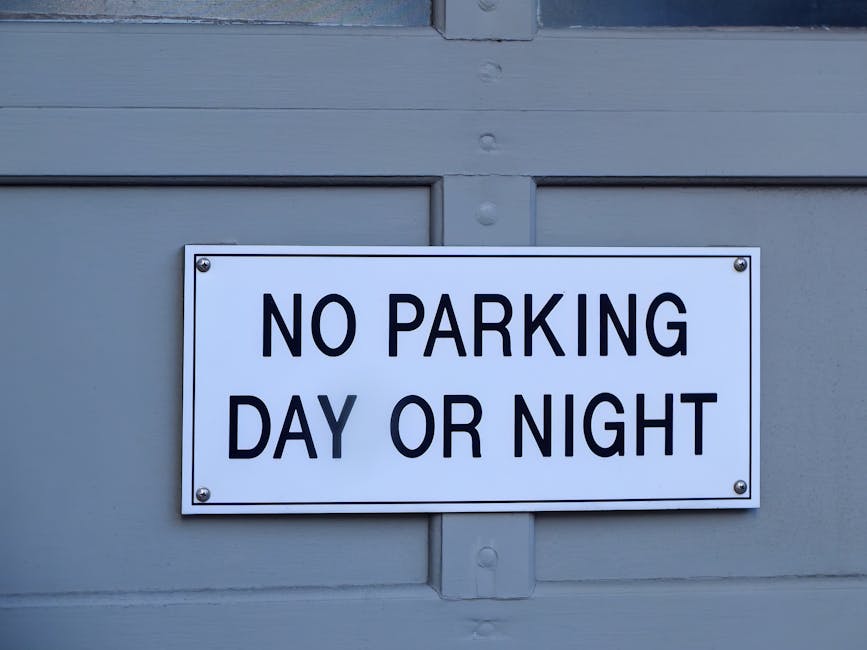
Parking suspensions on Bishops Bridge Road, Paddington: rules
If you have ever tried to load a van, shift furniture, or manage a delivery near Bishops Bridge Road, you will know how quickly parking can turn from "just a few minutes" into a small headache. Parking suspensions on Bishops Bridge Road, Paddington: rules are not something to skim over. They affect where you stop, how long you can stay, whether a bay is usable at all, and how safely a move or delivery can be carried out.
This guide explains the practical side of parking suspensions in plain English. You will see how they work, why they matter, what to check before you arrive, and how to avoid the kind of mistake that can derail a move before the kettle is even unpacked. Let's face it, nobody wants to spend the morning circling the block while the clock is ticking.
- Why it matters
- How it works
- Key benefits and practical advantages
- Who this is for and when it makes sense
- Step-by-step guidance
- Expert tips for better results
- Common mistakes to avoid
- Tools, resources and recommendations
- Law, compliance, standards, or best practice
- Options, methods, or comparison table
- Case study or real-world example
- Practical checklist
- Conclusion
- Frequently asked questions
Why Parking suspensions on Bishops Bridge Road, Paddington: rules Matters
A parking suspension is, in simple terms, a temporary restriction that removes a parking bay, section of kerb, or loading space from normal use. On a busy road like Bishops Bridge Road, that can happen for roadworks, utility access, removals, crane operations, filming, emergency works, or other short-term traffic management needs.
Why does it matter so much in Paddington? Because this is a dense, active part of London where space is tight and timing matters. If a bay is suspended and you did not realise, you may find yourself unable to park legally right where you planned. That can mean longer carrying distances, additional costs, missed time slots, or a frustrating reshuffle of everyone involved.
There is also a broader issue: suspension rules protect access, safety, and traffic flow. When they are followed properly, residents, businesses, contractors, and pedestrians all have a better chance of getting through the day without a bottleneck. You may not love the inconvenience, but the logic is usually straightforward.
For people handling removals or business logistics, this is more than a technical detail. It can shape the whole operation. A single suspended bay can mean the difference between a neat, efficient unloading process and a long, awkward carry from two streets away. Not ideal, to be fair.
Expert summary: If you are planning anything that needs roadside access near Bishops Bridge Road, treat parking suspension checks as part of the job, not an afterthought. Confirm the restriction, read the sign properly, and leave room in the plan for a backup loading point.
How Parking suspensions on Bishops Bridge Road, Paddington: rules Works
Parking suspensions generally work by temporarily removing the right to park or wait in a marked area. The suspension is usually shown by a notice on street furniture or signage near the affected space. The exact sign wording matters, because the date, times, and scope determine what is and is not allowed.
In practice, the rules can affect several things at once:
- resident bays
- pay-and-display bays
- loading bays
- single yellow lines in some cases
- specific kerbside sections used for works or access
The most important point is this: you do not assume the bay is available just because it looks empty. If the suspension covers it, the space is treated as unavailable for the period shown. That is the part many people miss. Empty does not mean free.
Suspensions may cover one side of the road, a short stretch, or a carefully marked segment. A sign can also say whether the restriction starts at a certain time on a certain date and ends later the same day or several days later. If the wording is unclear, it is safer to treat it as active and plan differently.
For removals and delivery work, the practical question is not just "Can I stop here?" but "Can I stop here long enough to do the job properly?" If a bay is suspended, that answer is usually no, even for a quick unload. That can be frustrating, yes, but it avoids a messy ticket or a tow situation.
Key Benefits and Practical Advantages
It might sound odd to talk about benefits when the topic is restrictions, but there are real advantages to understanding suspension rules well. In the real world, a little preparation saves a lot of hassle.
- Fewer penalties: Knowing the suspension details helps you avoid fines, notices, or enforcement action.
- Smoother loading and unloading: If you plan the route and parking point properly, the move or delivery runs much more smoothly.
- Better timing: You can build a realistic schedule instead of guessing and hoping.
- Less physical strain: Shorter carrying distances matter, especially with heavy furniture or boxes.
- Improved safety: Avoiding rushed roadside manoeuvres reduces risk to staff, residents, and passers-by.
There is another benefit people often overlook: confidence. When you know the rules, you make decisions faster. No standing in the street scratching your head while a driver waits behind you. No awkward last-minute phone calls. That calm, organised feeling is worth a lot on a busy London morning.
If you are coordinating a move, this can also reduce costs indirectly. Less wasted time, fewer delays, and fewer back-and-forth adjustments often mean a more efficient day overall. And efficiency, frankly, is the thing everybody wants but rarely has enough of.
Who This Is For and When It Makes Sense
Parking suspension rules on Bishops Bridge Road are relevant to a wider group than you might first think. Yes, removals teams need them. But so do local businesses, couriers, contractors, facilities managers, and residents dealing with a one-off delivery.
It makes sense to check the rules if you are:
- moving house or flat
- bringing in a sofa, bed, or appliance
- loading a van for office storage or office removals
- planning a local move with a man and van
- coordinating business stock or archive movements
- using mobile self storage or short-term storage support
It also matters if you are a resident who needs temporary roadside access during home improvements, or if you are helping a family member shift items from a flat. Bishops Bridge Road can be especially sensitive to time pressure because traffic, footfall, and access needs change through the day.
And yes, sometimes it is a bit of a juggling act. You may have one person carrying, one person waiting in the van, and another trying to read a sign while juggling keys and a phone. A very British little drama, really.
Step-by-Step Guidance
If you need to handle parking suspensions properly, the safest approach is to work through the process methodically. Keep it simple. The fewer assumptions you make, the better.
-
Check whether the location is affected.
Look for suspension notices near the exact stretch where you intend to stop. Read the dates, times, and the area covered. If the notice refers to a larger section than expected, assume the whole section is restricted.
-
Match the restriction to your arrival time.
A suspension may not apply all day. Some are time-limited. Others are active across several days. You need the overlap to be clear before you commit to the route.
-
Plan a backup loading point.
If the first spot is suspended, where will you go next? Having a second and third option saves a lot of wandering around under pressure.
-
Keep the vehicle ready to move if needed.
If you are using a van, keep the driver nearby and avoid leaving the vehicle unattended in a restricted area. It sounds obvious, but people do get distracted once the lifting starts.
-
Load efficiently.
Use the shortest safe route between the van and the property. If you are moving storage items, think about sequencing: heavy items first, fragile items last, and never leave a bay blocked longer than necessary.
-
Confirm any special arrangements in advance.
If the move depends on roadside access, check whether your operator, landlord, or contractor has made the required arrangements. Never assume someone else has handled it.
A useful habit is to take a quick photo of the suspension notice once you arrive. Not because it solves everything, but because it gives you a time-stamped reference if there is confusion later. Handy little habit, that.
Expert Tips for Better Results
Over time, the best outcomes usually come from a few calm, repeatable habits rather than heroic last-minute problem solving. Here are the ones that matter most.
- Arrive early, not barely on time. Ten to fifteen minutes of cushion can make a huge difference on a road with active restrictions.
- Build the parking check into the job plan. Treat it like packing tape or bubble wrap: a basic requirement, not a luxury.
- Use smaller vehicles when access is tight. If a large van cannot stop safely or legally, a smaller vehicle or shuttle load can be smarter.
- Keep the team briefed. Everyone involved should know where the vehicle can stop and what to do if the bay is unavailable.
- Protect fragile items with the route in mind. A longer carry on a wet or uneven pavement can increase the risk of damage. Plan boxes and wrapping accordingly.
If you are arranging a move for a flat in Paddington, the smartest approach may be to combine transport and storage. That way, if roadside access is awkward, you are not forced into a rushed unloading decision. Services such as removals and storage, self storage, and short-term storage can make a stubborn access situation far less stressful.
Another small tip: if you know the road is likely to be busy, avoid the temptation to "just pull in and sort it out." That is how people end up trapped between urgency and uncertainty. Not a fun place to be.
Common Mistakes to Avoid
The biggest mistakes around parking suspensions are usually simple, which is exactly why they are so common. They happen when people rush, assume, or rely on memory rather than checking the actual notice in front of them.
- Assuming an empty bay is usable. This is the classic mistake. A suspended bay can look perfectly normal from a distance.
- Ignoring the exact dates and times. A suspension may start later than you expect or end earlier than you planned for.
- Stopping too far from the property. If you have not checked access, you may end up carrying items much farther than expected.
- Leaving the vehicle in place while unloading "just for a minute." A minute is still a minute too long in the wrong place.
- Forgetting about height, width, or turning space. A bay may be available in theory but useless in practice if the vehicle cannot safely manoeuvre.
- Not coordinating with neighbours or building management. If everyone expects different access arrangements, the whole thing gets messy fast.
One more thing: do not let confidence become carelessness. People who work in removals or deliveries every day sometimes get caught out because they think they have "seen it all before." Bishops Bridge Road, like many central London routes, has a way of reminding you that today is not yesterday.
Tools, Resources and Recommendations
You do not need a toolkit full of specialist gadgets to manage parking suspension rules well. What you do need is a simple, reliable process and a few practical supports.
Useful things to have to hand include:
- a phone with a camera for recording signs
- a route plan with backup stopping points
- the vehicle dimensions, especially if space is tight
- contact numbers for the driver, client, or building contact
- a checklist for arrival, unloading, and departure
For people moving home or managing a business move, related services can also reduce pressure. If your item list is large, packing services can save time and make loading less chaotic. If you need temporary overflow space, household storage, furniture storage, and office storage are often sensible options.
For bulky but smaller jobs, small removals can be a cleaner fit than sending a vehicle that is too large for the street conditions. And if you are dealing with student moves or term-time turnover, student storage can help keep the pressure off when access windows are narrow.
If you are comparing service levels or trying to understand what is included, it is also worth reading the company's pricing and quotes page and its terms and conditions. Those pages help set expectations, which is always useful when the road outside is already complicated enough.
Law, Compliance, Standards, or Best Practice
Parking suspensions sit within a wider framework of street management and traffic control. While the exact rules can depend on the authority and the specific notice, the basic principle is consistent: if a suspension is in force, the space is not available for ordinary parking or waiting during the stated period.
Best practice is to:
- follow the sign exactly as displayed
- respect the suspension window
- avoid blocking access for emergency, utility, or works teams
- keep the vehicle within lawful stopping areas only
- take reasonable steps to confirm the restriction before parking
If you are running a business operation, there is also a duty to think ahead about safety and access. That may include staff briefing, vehicle checks, and sensible load handling. Internal policies such as health and safety policy and insurance and safety guidance matter here because parking mistakes often lead to rushed handling, awkward carrying, or avoidable damage.
It is also wise to remember that documentation matters. If a parking restriction affects a scheduled move, keep a note of the sign details and any agreed access plan. That way, if there is a query later, you are not trying to reconstruct the whole thing from memory over a lukewarm coffee.
Options, Methods, or Comparison Table
Different situations call for different access strategies. Here is a simple comparison to help you choose the most practical option.
| Approach | Best for | Strengths | Limitations |
|---|---|---|---|
| Direct roadside loading | Short jobs with clear access and no suspension conflict | Fast, efficient, minimal carrying distance | Only works if the bay is actually available |
| Alternate nearby stopping point | Jobs where the first bay is suspended | Flexible, often legal and practical | May mean longer walking and slower loading |
| Smaller vehicle or shuttle load | Tight streets or limited bay availability | Better manoeuvrability, easier access | May require multiple trips |
| Storage-first approach | Moves with uncertain access or staggered handover | Reduces time pressure, keeps items secure | Needs planning and possibly extra cost |
In real life, the storage-first option can be a quiet lifesaver. If a move is happening in stages, or if access is blocked at the wrong moment, placing items into long term storage or a short-term unit can give you breathing space. Sometimes that is the cleaner solution. Not glamorous, but clean.
Case Study or Real-World Example
Here is a straightforward example. A resident in Paddington is moving out of a flat near Bishops Bridge Road on a weekday morning. The removals team plans to stop close to the building entrance because there are several large pieces of furniture, including a wardrobe and a bed frame.
On arrival, they find the bay they intended to use is suspended for works. The team could have pushed ahead and tried to squeeze in, but that would have been a bad idea. Instead, they switch to a pre-planned backup stop slightly further away, adjust the loading sequence, and move the heaviest items first while the driver keeps an eye on the van.
The move still takes longer than expected. Of course it does. But it stays legal, organised, and safe. The client is not delighted about the extra walk, yet the day remains under control and the furniture arrives intact. That is really the aim: not perfection, just a sensible result without drama.
In another common scenario, a small business uses business storage to move stock out in advance, then uses a local removals team for the final handover. Because the load is smaller, the parking pressure is lower. It is one of those unexciting decisions that turns out to be brilliant in practice.
Practical Checklist
Use this checklist before you stop on or near Bishops Bridge Road:
- Have I read the suspension sign at the exact location?
- Do the dates and times cover my planned arrival and departure?
- Is the bay or kerbside section fully available, or partially restricted?
- Do I have a backup stopping point?
- Is the vehicle the right size for the street and the load?
- Have I told the driver, team, or client what happens if access changes?
- Do I need packing help, storage, or a smaller vehicle?
- Have I kept a photo of the sign and the surrounding area?
- Can we load and move quickly enough to avoid unnecessary disruption?
- Have I checked the booking details and any relevant service terms?
If you can tick most of those without hesitation, you are in a much better place. If not, pause. Re-plan. Five minutes now is better than an hour later.
Get a free quote today and see how much you can save.
Conclusion
Parking suspensions on Bishops Bridge Road, Paddington: rules are really about clarity, timing, and respect for the space you are using. If you read the notice properly, plan a fallback, and keep the move or delivery flexible, you can avoid most of the common problems.
That might sound basic, but basic is often what works best in busy London streets. A careful check, a sensible plan, and a little patience can save you from the kind of day that starts with one parked van and ends with a headache. And honestly, who needs that?
Whether you are moving home, handling a business delivery, or organising storage around a tight access window, the calmest approach is usually the strongest one. Get the parking right, and everything else tends to follow a bit more easily.
Frequently Asked Questions
What does a parking suspension actually mean?
A parking suspension means a marked parking space, loading area, or section of kerb is temporarily unavailable. You should not park there during the suspension period, even if the space looks empty.
How do I know if a bay on Bishops Bridge Road is suspended?
Look for the suspension notice at or near the space itself. The sign should show the restricted area, dates, and times. If the notice covers your planned stopping point, treat it as unavailable.
Can I stop briefly to unload if the bay is suspended?
Generally, no. If the area is suspended, brief stopping is usually not permitted there. It is safer to use an alternative lawful location.
What if the bay is empty when I arrive?
Empty does not mean free. A suspended bay can still be enforced, so you should not rely on appearance alone.
Do parking suspensions affect loading and unloading too?
Yes, they often do. If the notice removes a bay from use, loading and unloading in that bay are usually not allowed during the suspension period.
Should I plan a removals job differently if there is a suspension?
Absolutely. You may need a backup stop, a smaller vehicle, extra time, or storage support. For some moves, combining the job with removals and secure storage is the more practical option.
What is the safest thing to do if I am unsure about the sign?
Do not park there until you are sure. Read the sign carefully, check the times, and choose another lawful space if there is any doubt.
Are parking suspensions only a problem for large vans?
No, they affect cars too. A suspension applies to the space itself, not just to big vehicles. Large vans feel the pain more because they need more room, but the rule is the rule.
Can storage help if parking access is difficult?
Yes. If access is awkward or uncertain, short-term or long-term storage can reduce the pressure on the move. That is often useful for furniture, archive boxes, or staged home moves.
What should I do if my move is delayed by a suspension?
Stay calm, move to the backup plan, and adjust the loading sequence. If the delay is significant, storage, a smaller vehicle, or a revised arrival time may be the best fix.
Is it worth checking the rules even for a small delivery?
Yes. Small deliveries can still run into suspension issues, especially on busy roads where parking is limited. A quick check can prevent a lot of wasted time.
Where can I find help with related moving or storage needs?
If your move needs packing support, storage, or a local transport solution, pages such as packing services, self storage, and man and van are useful places to start.
What is the most common mistake people make with parking suspensions?
The biggest mistake is assuming a bay is usable because no vehicle is already there. In London, especially on busy roads, you really do need to trust the sign rather than the empty space.
How far ahead should I check before a planned move?
As early as possible. If you are arranging removals or storage around a specific date, check parking and access well before the day itself so you have time to adapt if needed.